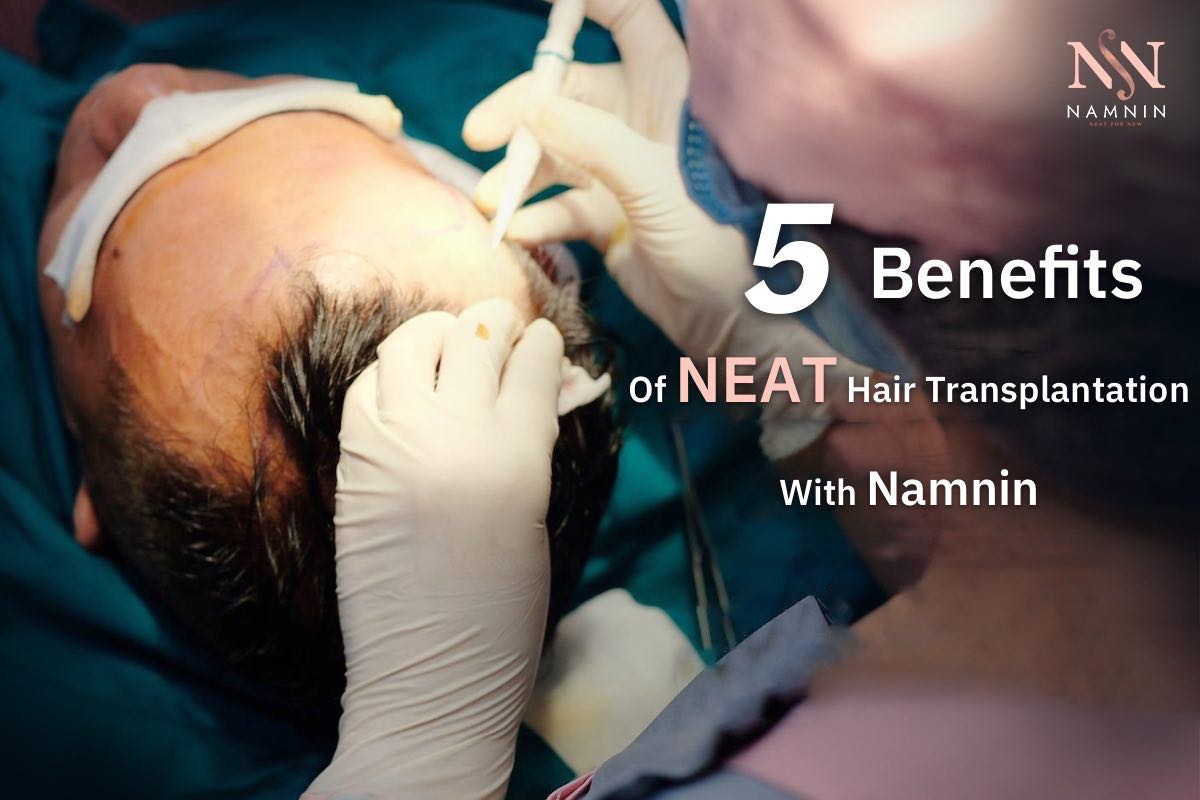
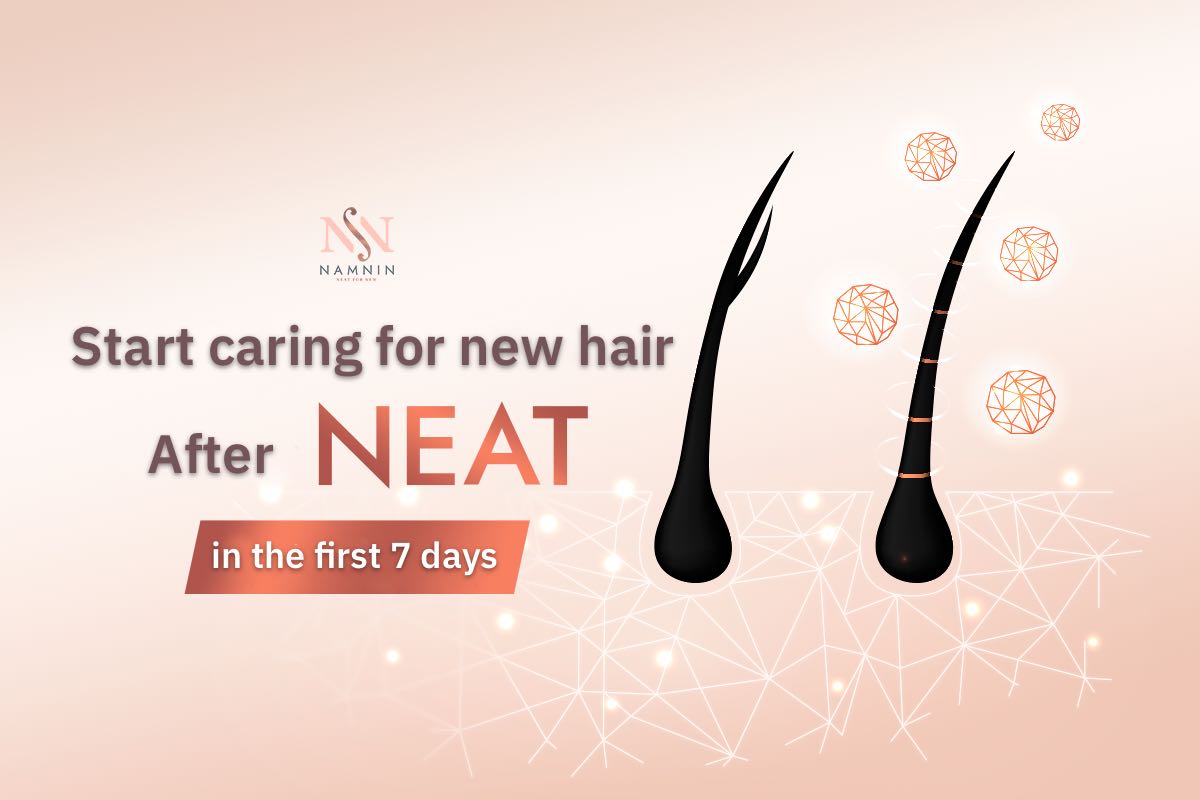
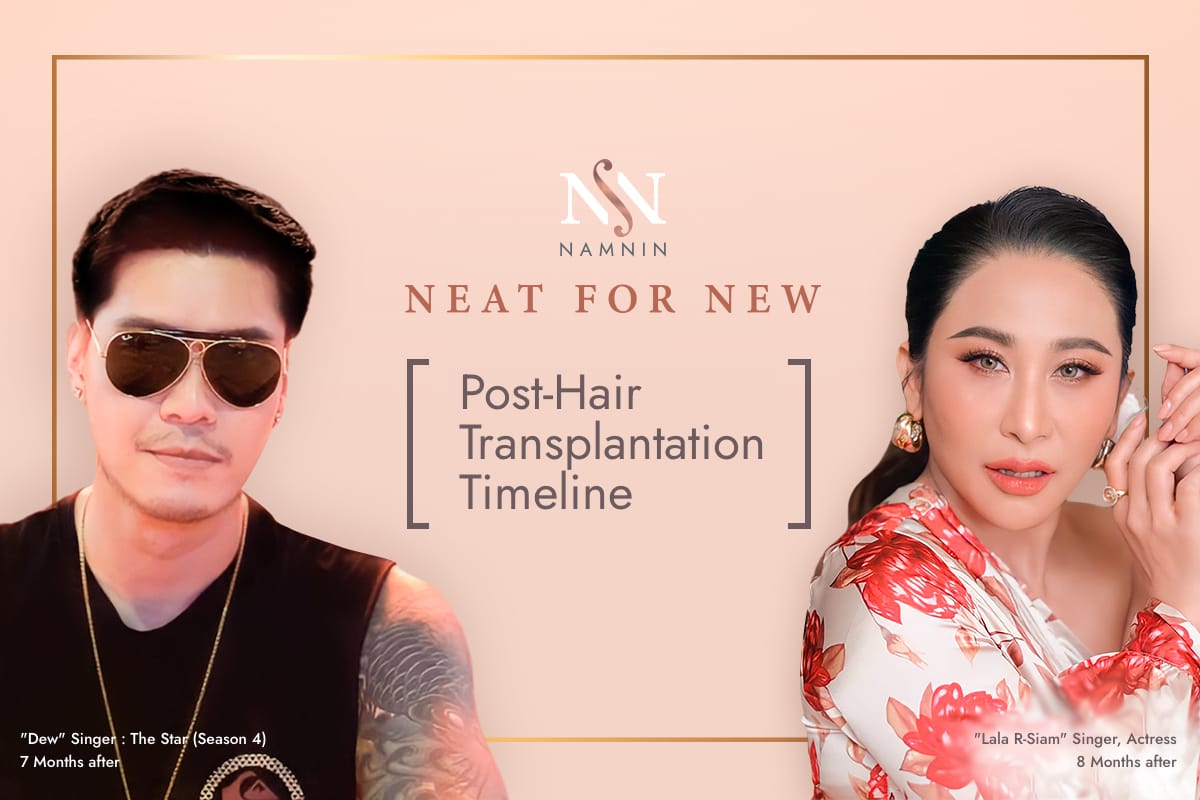
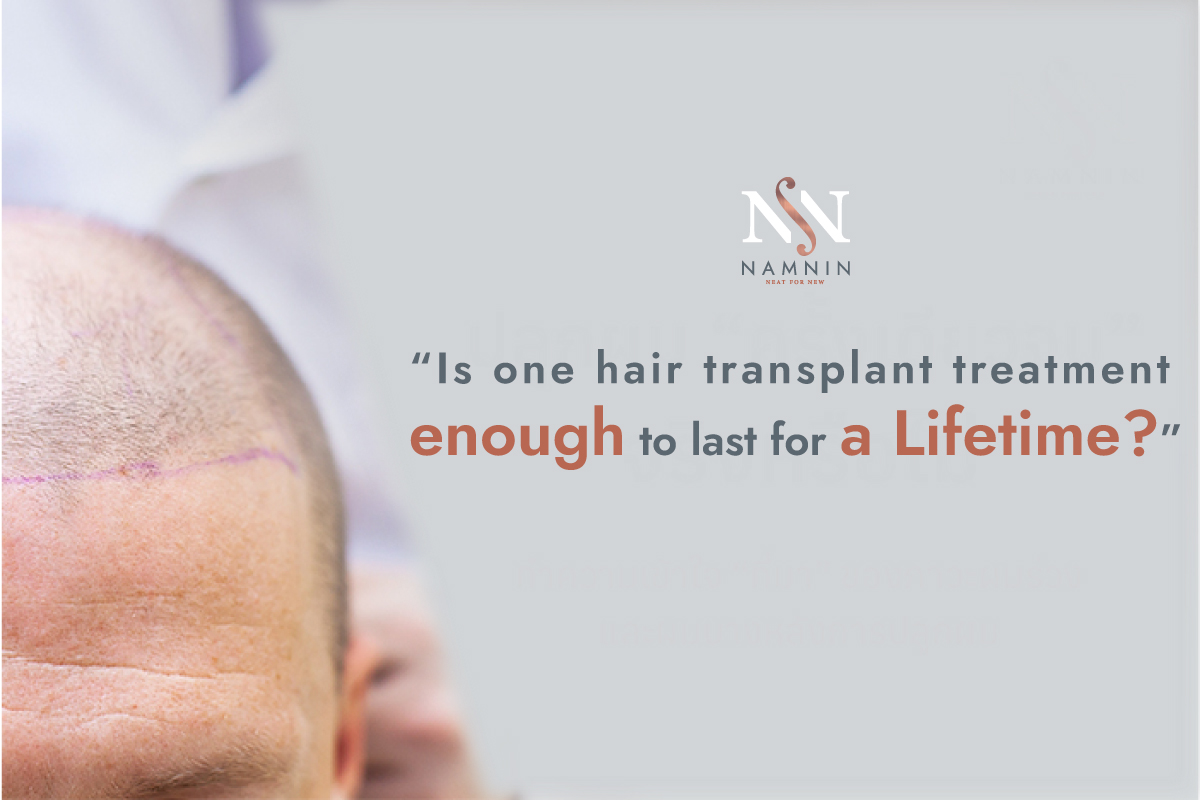
The period of “post hair transplant care” is just as important as the preparation before the procedure or the day the doctor performs the transplant itself.
…But have we truly given enough attention to this stage…
The post transplant care process spans a long period of time from the first few weeks when newly transplanted hair is still fragile and requires extra care, through several months when the hair sheds and regrows again, continuing until a full year when the hair becomes strong according to its natural growth cycle. Missing proper care at any stage may lead to less than optimal results and ultimately may not justify the once in a lifetime investment in a hair transplant.
Of course, the hair transplant doctor will continue to monitor progress and provide guidance. However, a successful outcome requires close cooperation between the doctor and the patient. Therefore, the patient plays the most important role in carefully nurturing the newly transplanted hair to survive and grow as intended.
There is no need to worry. Namnin has compiled simple precautions and basic self care guidelines, organized according to key stages of the post transplant timeline as follows:
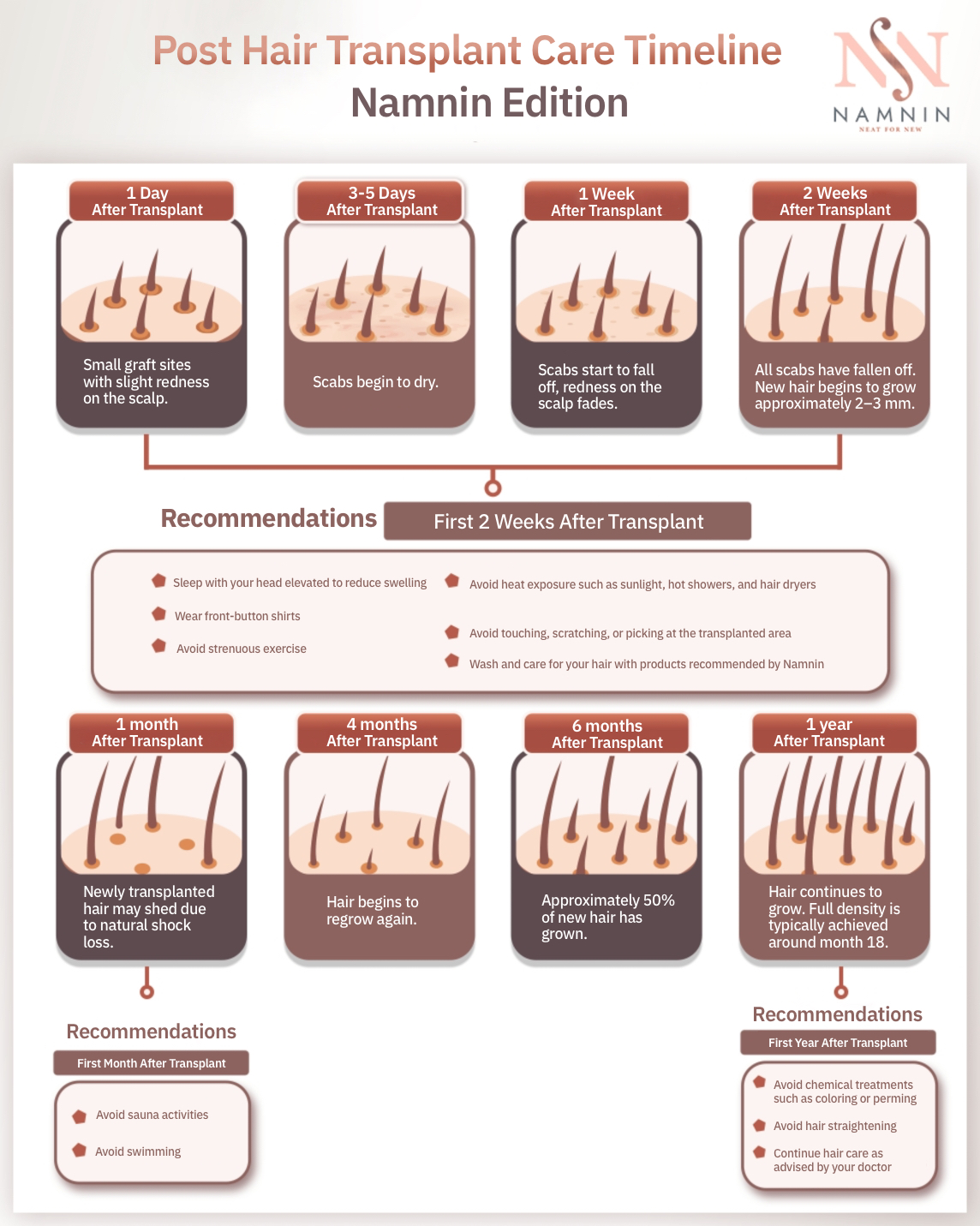
1 Day After Transplant
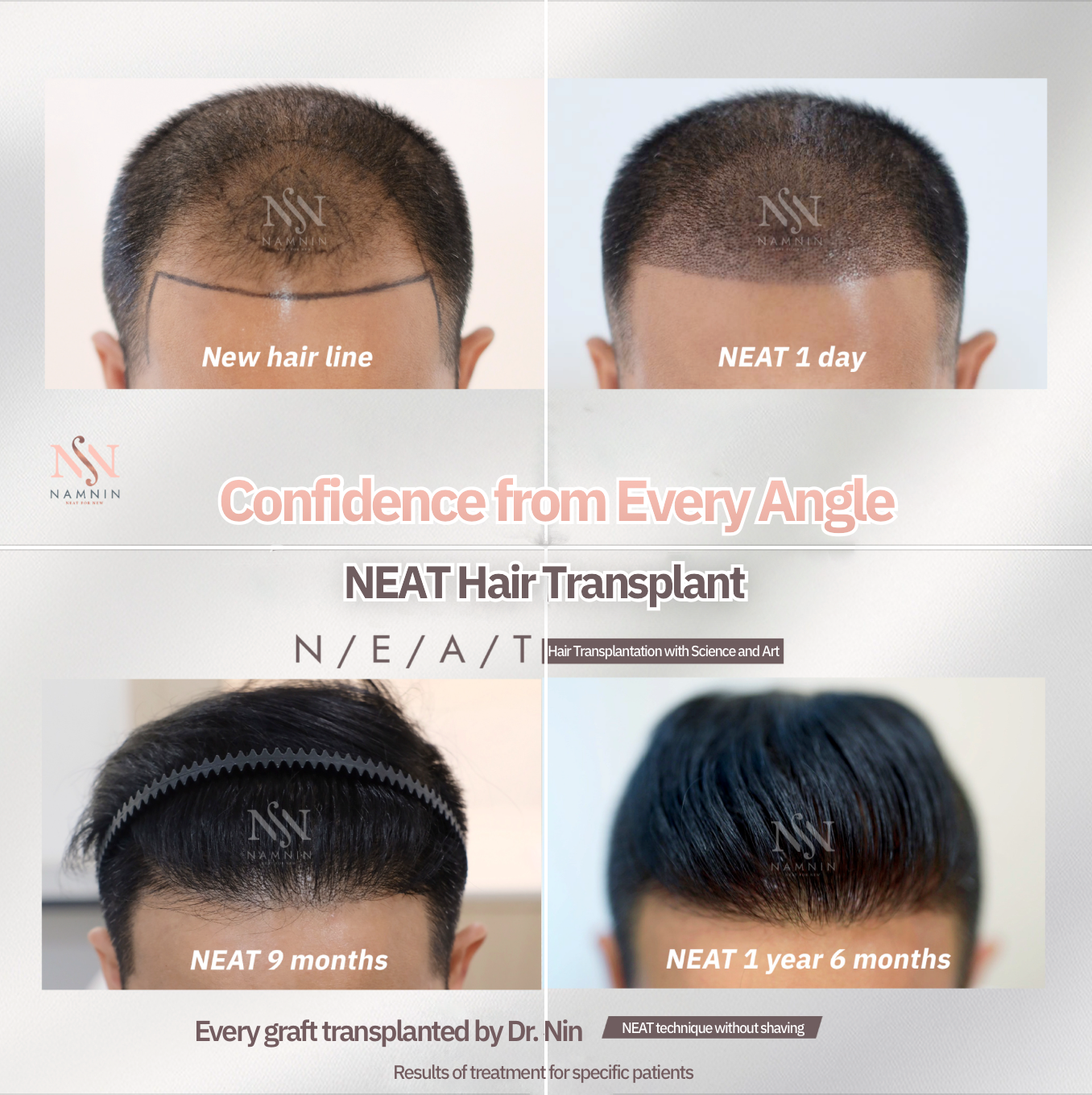
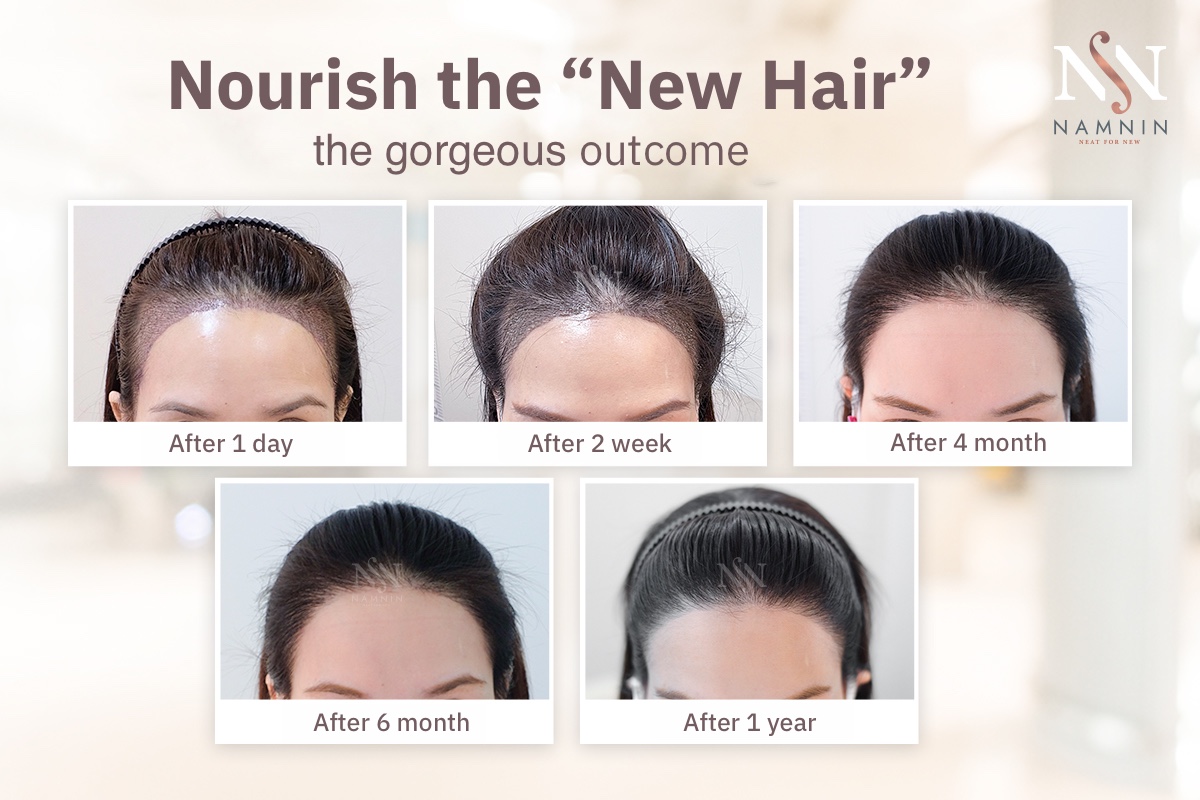
The transplanted area shows tiny dot like graft sites evenly distributed, with slight redness on the scalp.
3 to 5 Days After Transplant
Small scabs begin to dry.
1 Week After Transplant
Scalp redness starts to subside and scabs begin to fall off.
2 Weeks After Transplant
All scabs have fallen off and new hair begins to grow approximately 2 to 3 millimeters.
Self Care Guidelines During the First 2 Weeks
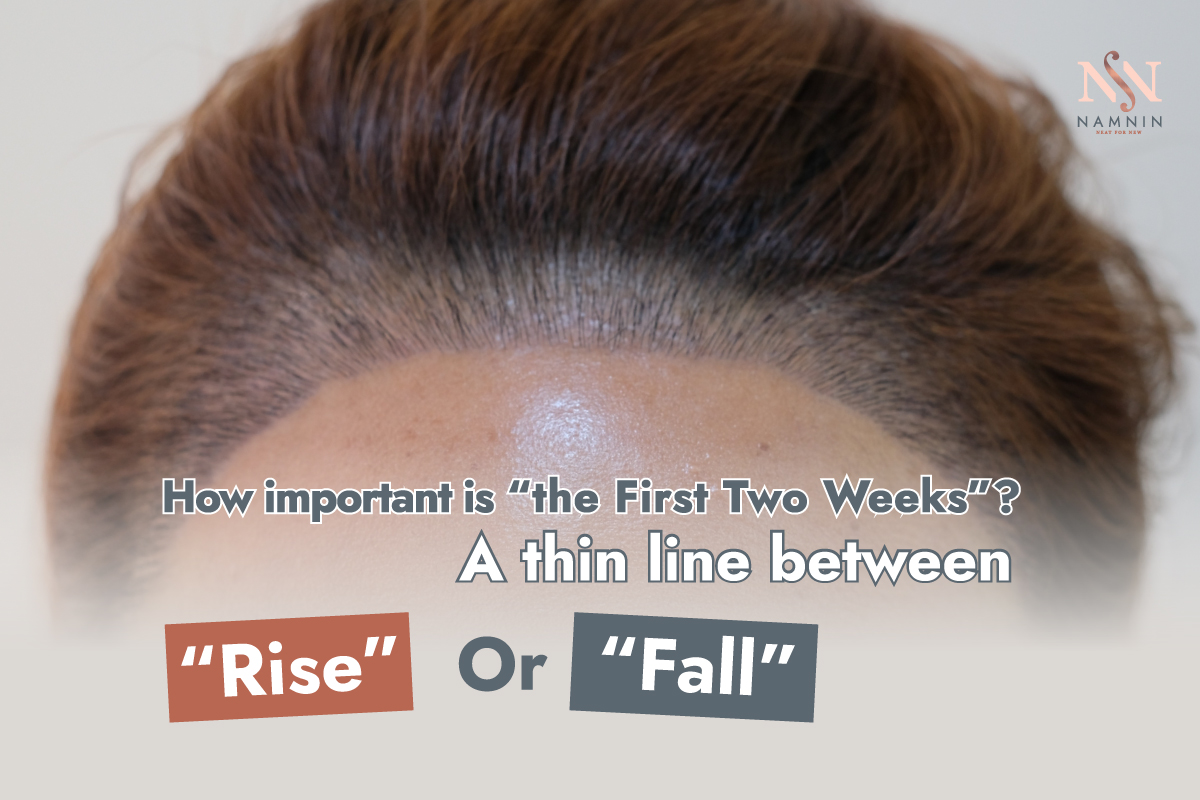
This is the most critical period as the hair grafts will fully anchor into the scalp after the first two weeks.
- Mild forehead swelling may occur in some patients, although it is rare and usually subsides within one week. Sleeping with the head elevated is recommended to reduce swelling, especially during the first 3 to 5 days.
- Wear front button shirts to avoid pulling clothing over the head during the first 3 to 5 days.
- Avoid strenuous exercise.
- Avoid any impact to the transplanted area, including wearing tight hats.
- Avoid heat exposure such as strong sunlight, hot yoga, sauna, warm water, and hot air from hair dryers.
- Avoid picking or scratching the transplanted area.
- Avoid sleeping positions that may disturb the grafts. For example, if the transplant is at the front hairline, sleep on your back rather than on your side.
- Haircuts are allowed after the first two weeks.
Patients can wash and care for their hair at home. Namnin provides a gentle cleansing product set along with post transplant care products imported from leading hair transplant hospitals in Korea.
- Hair washing is simple. Let room temperature water flow over the scalp, apply shampoo gently to the transplanted area, leave it for 3 to 5 minutes, then rinse. Dry using a cool air hair dryer.
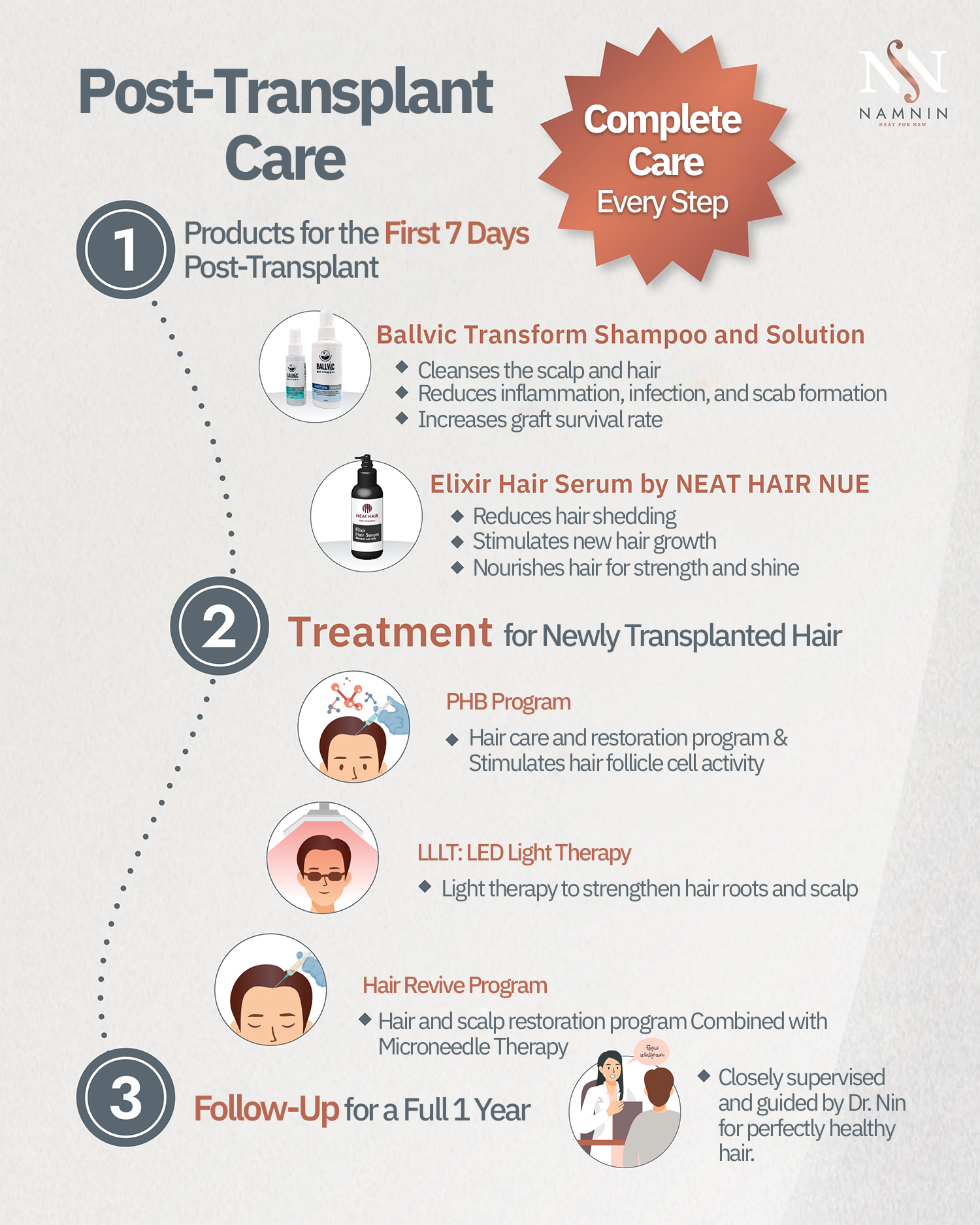
- Use BALLVIC SHAMPOO on the transplanted area, leave for 2 to 3 minutes, then rinse with cool water. Apply BALLVIC SOLUTION to the transplanted area every 2 to 3 hours to help disinfect, reduce inflammation and infection, and minimize flaking or scab formation, thereby improving graft survival rate.
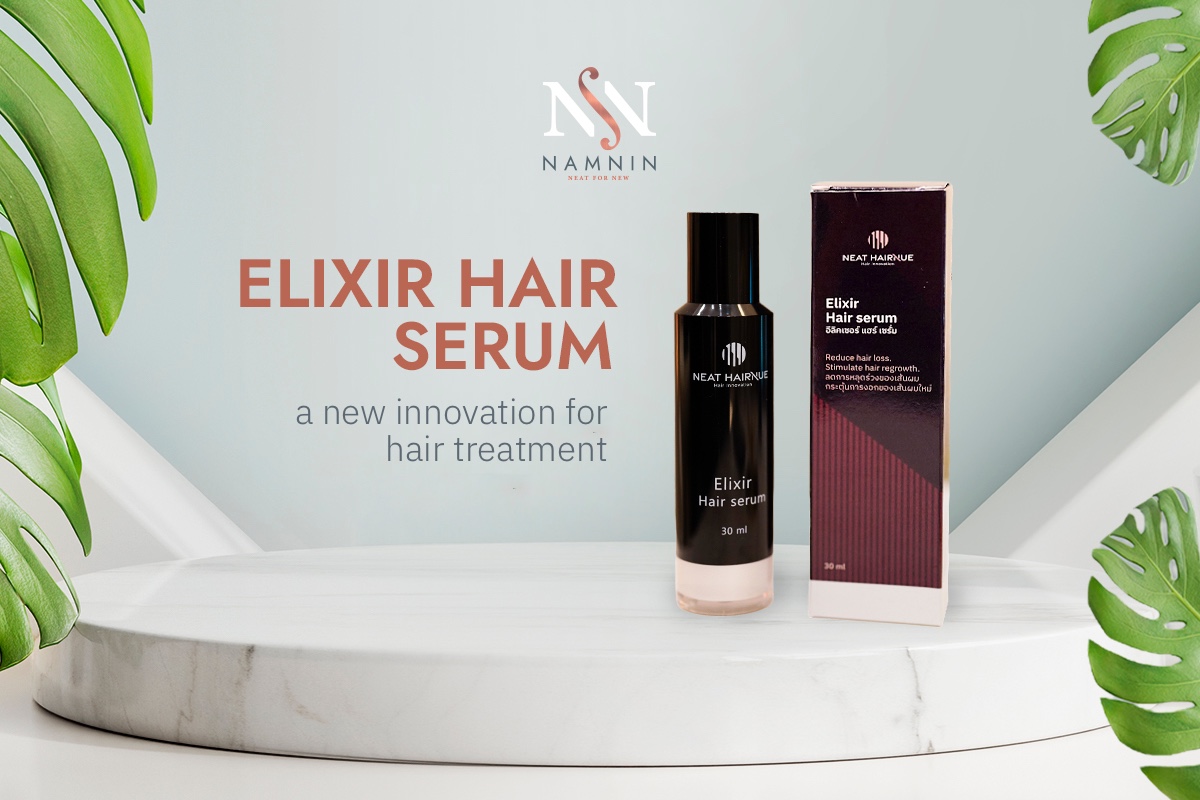
- After 1 week, apply Namnin Hair Serum to both the transplanted area and other thinning areas regularly, morning and evening.
1 Month After Transplant
Most of the transplanted hair will gradually shed.
Guidance During Shedding Phase
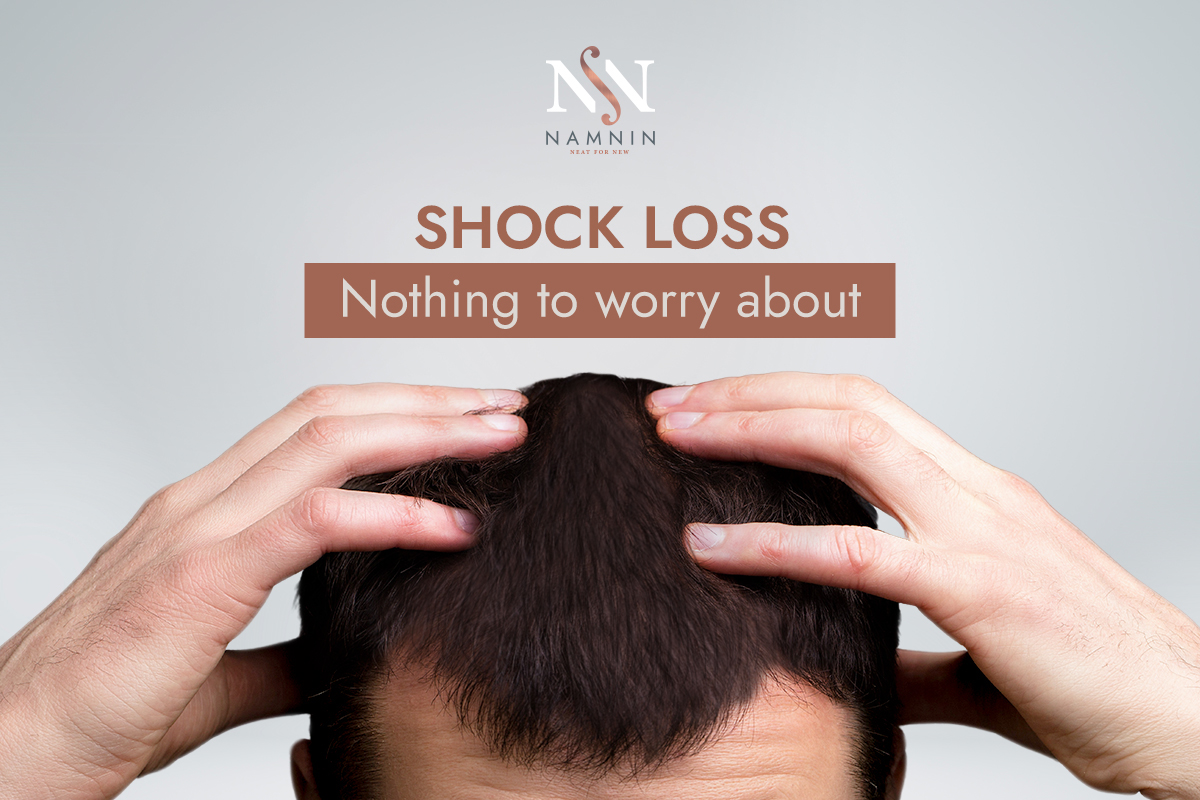
- There is no need to panic. This is known as Shock Loss, where transplanted hair sheds as part of the natural hair cycle, while the roots remain securely embedded in the scalp. New hair will gradually regrow and resume normal growth from around the fourth month onward.
- Sauna and swimming should still be avoided during the first month after the transplant.
4 Months After Transplant
New hair begins to regrow, appearing thicker and stronger.
6 Months After Transplant
Approximately 50 percent of new hair has grown.
1 Year After Transplant
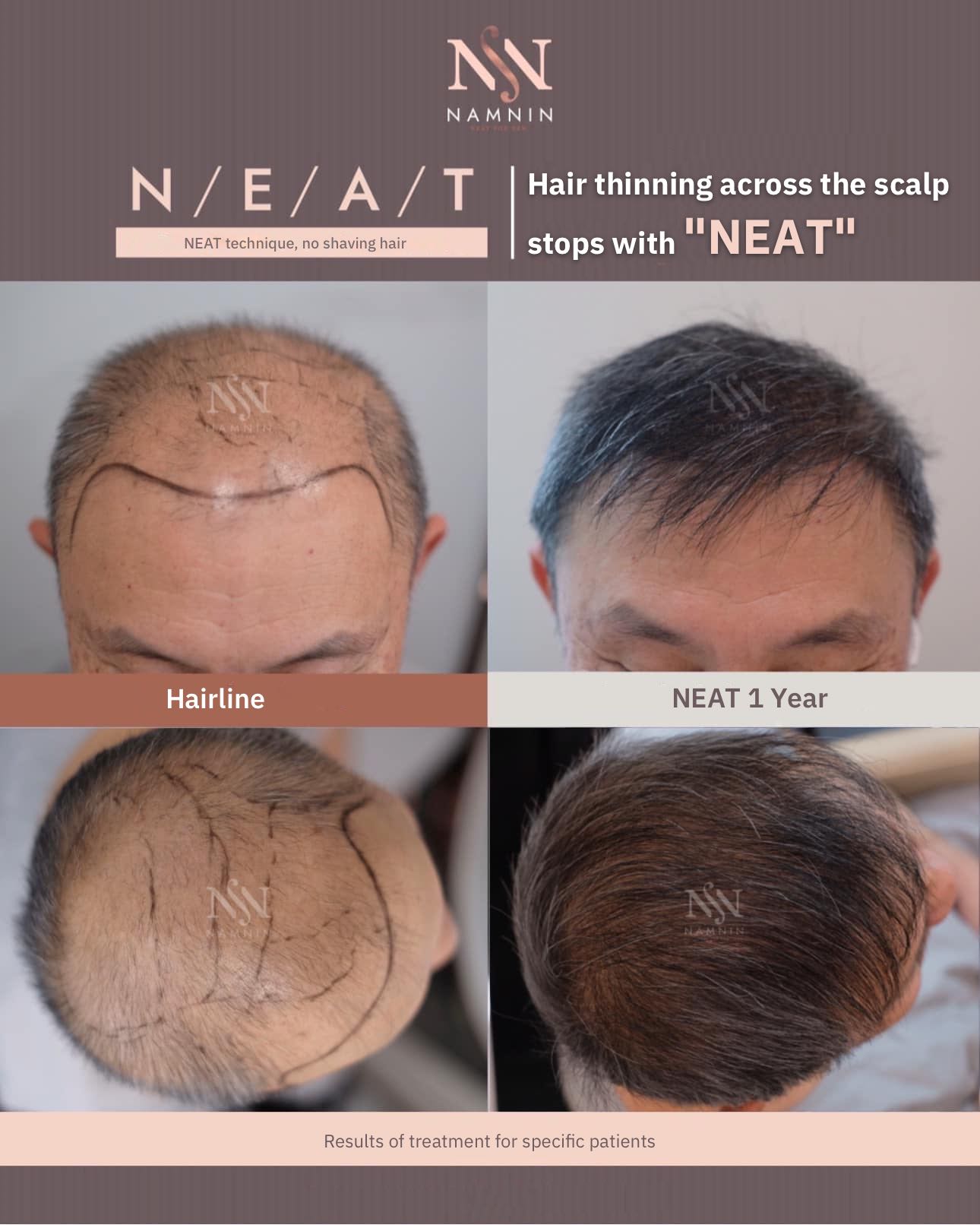
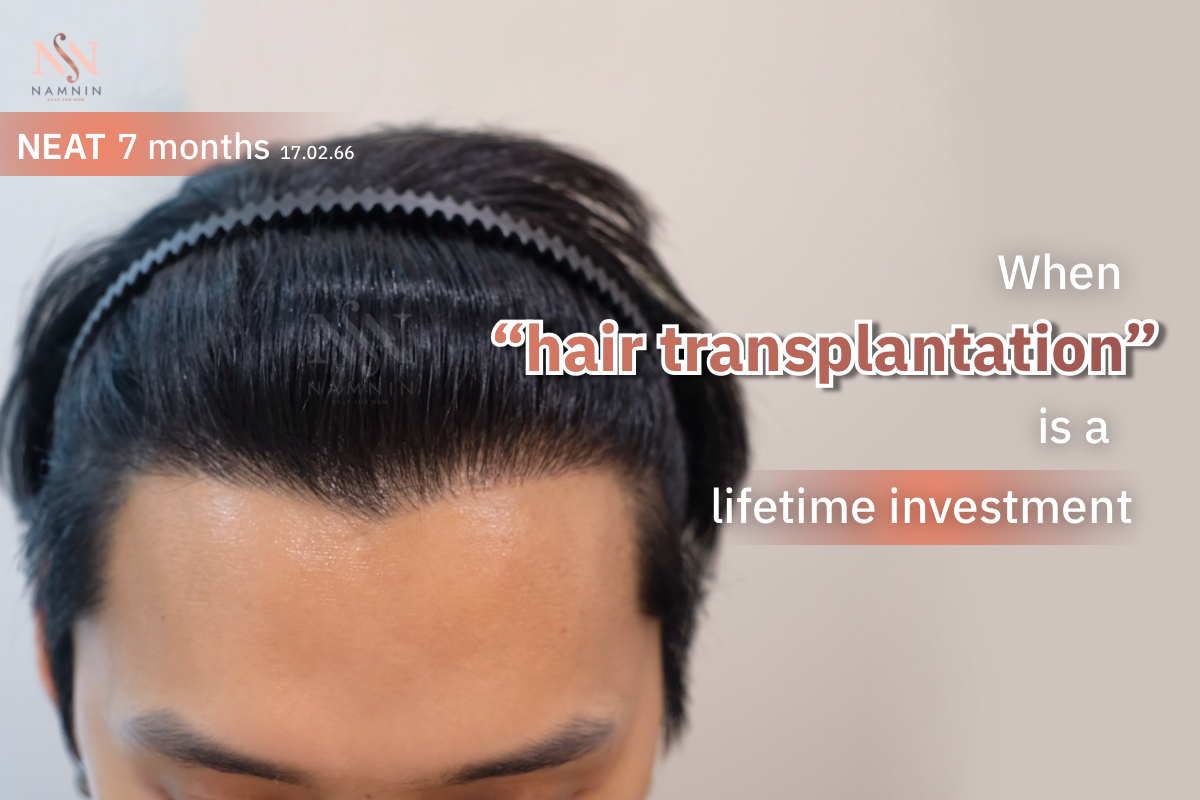
New hair has fully grown, though further thickening can still occur.
Guidelines During the First Year
- Avoid chemical treatments such as perming, straightening, coloring, or bleaching for one year, as these can weaken the hair and cause shedding.
- COVID vaccination is not recommended during this first year.
18 Months After Transplant
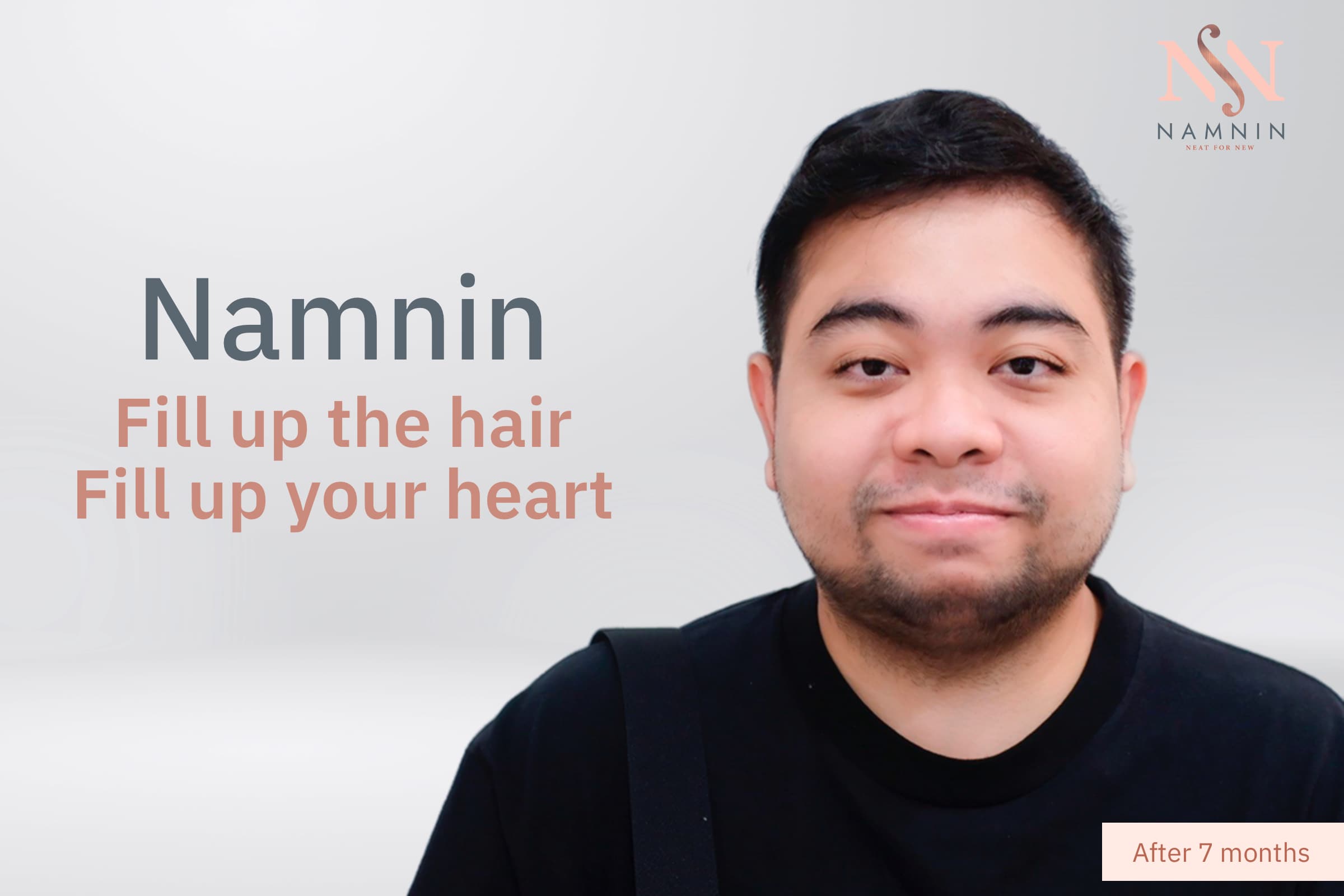
New hair has fully matured and will continue its natural cycle of shedding and regrowth, lasting a lifetime.
Ongoing Hair Care Recommendations
- Care for both new and existing hair simultaneously to reduce the risk of future thinning.
- Enhance hair care through the following methods as recommended by your doctor
- Medications
- Vitamins
- Topical serums
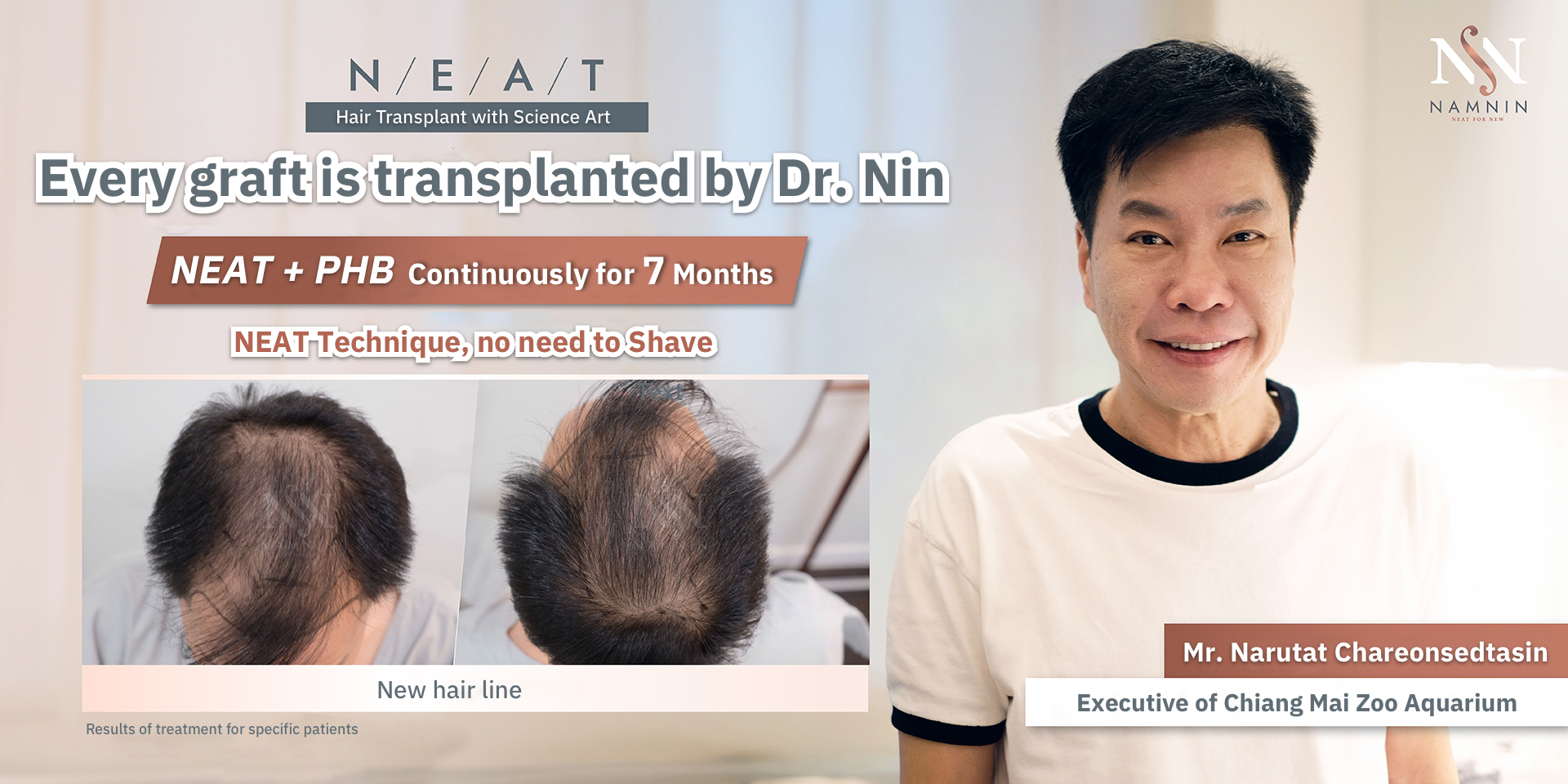
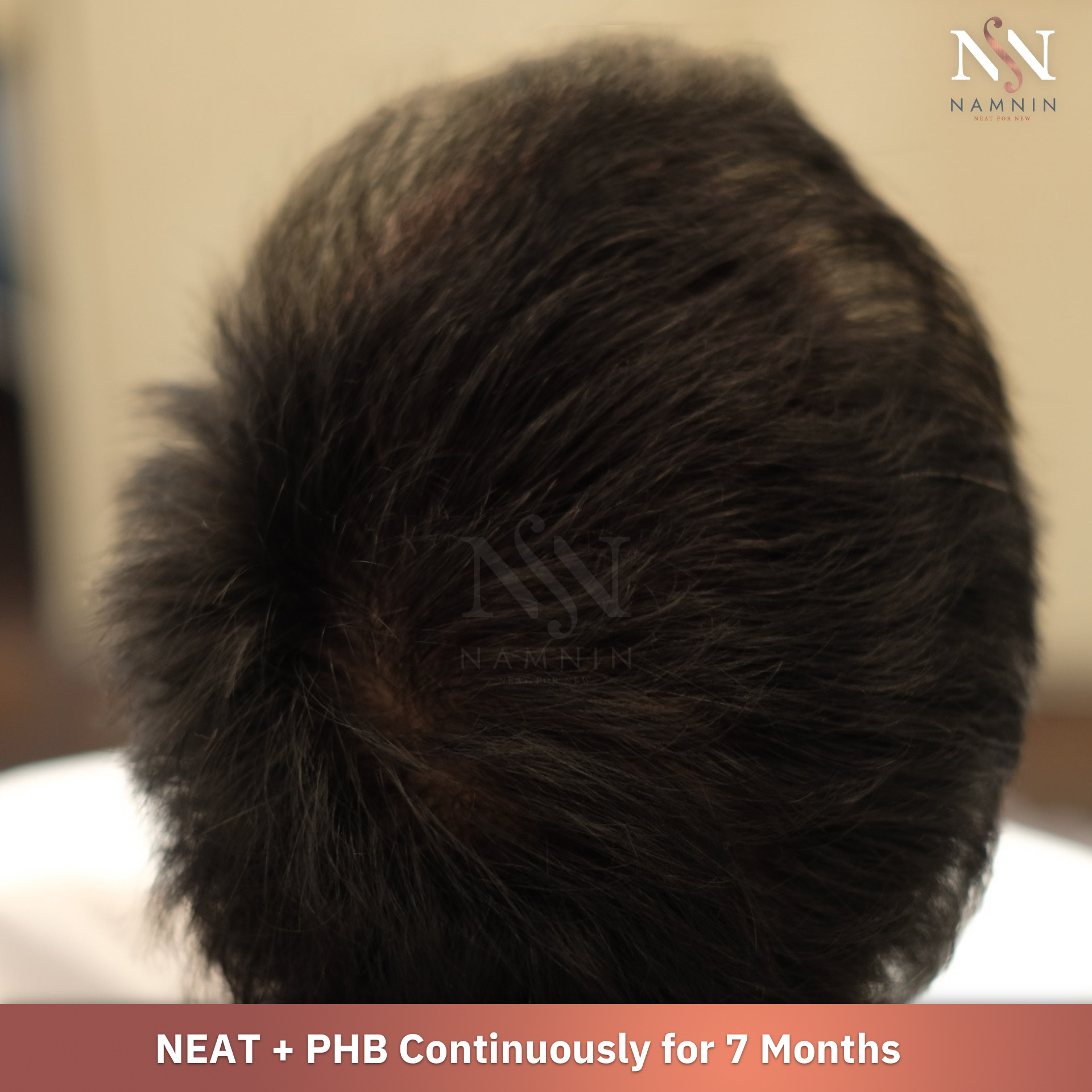
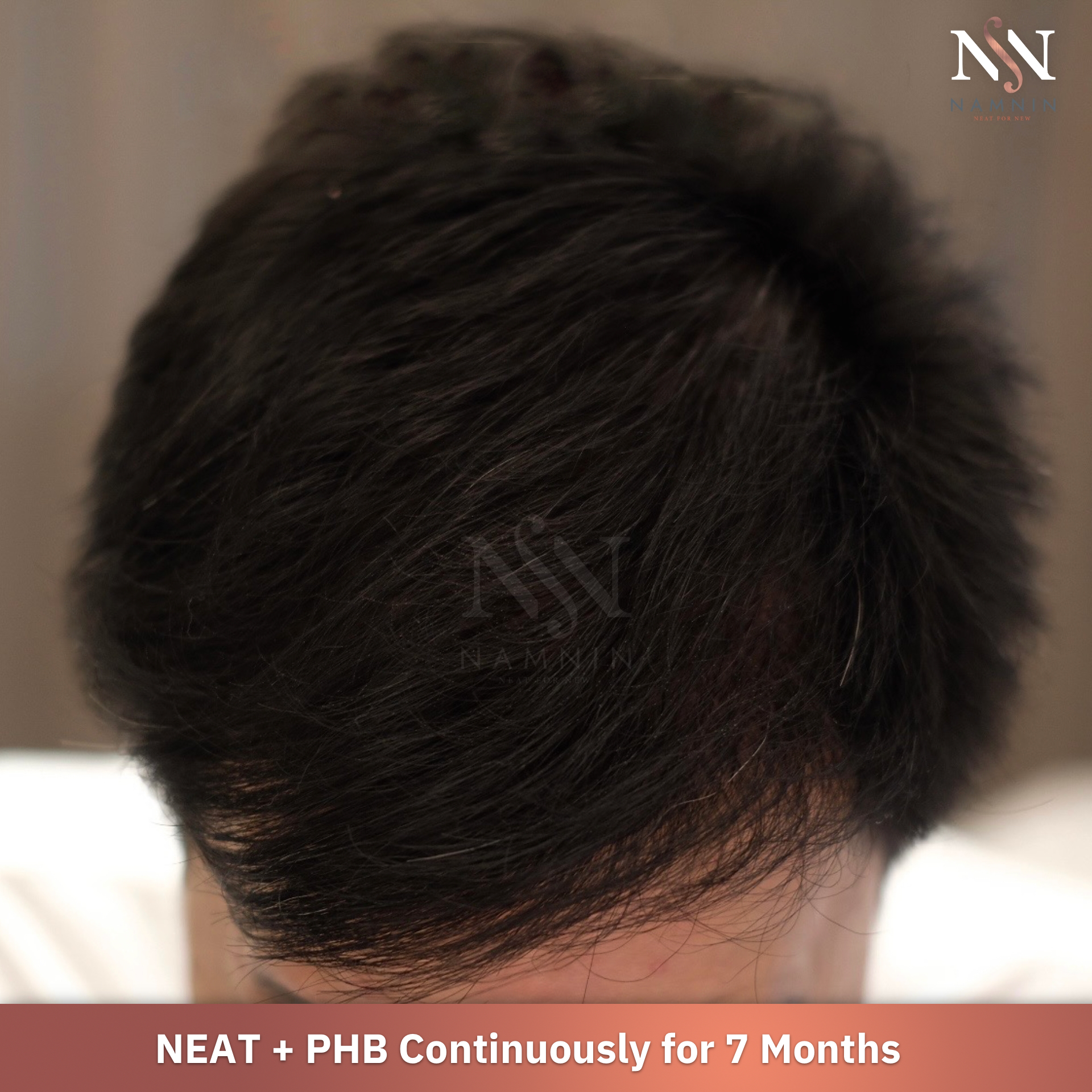
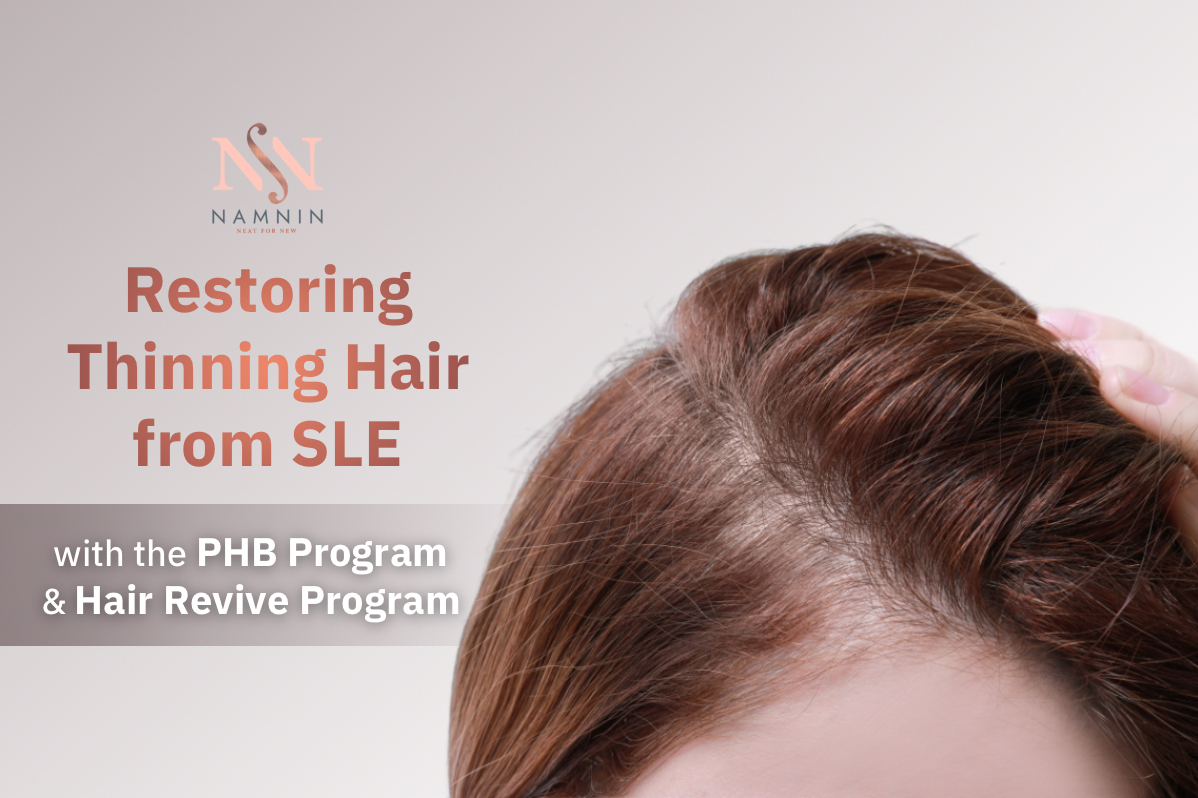
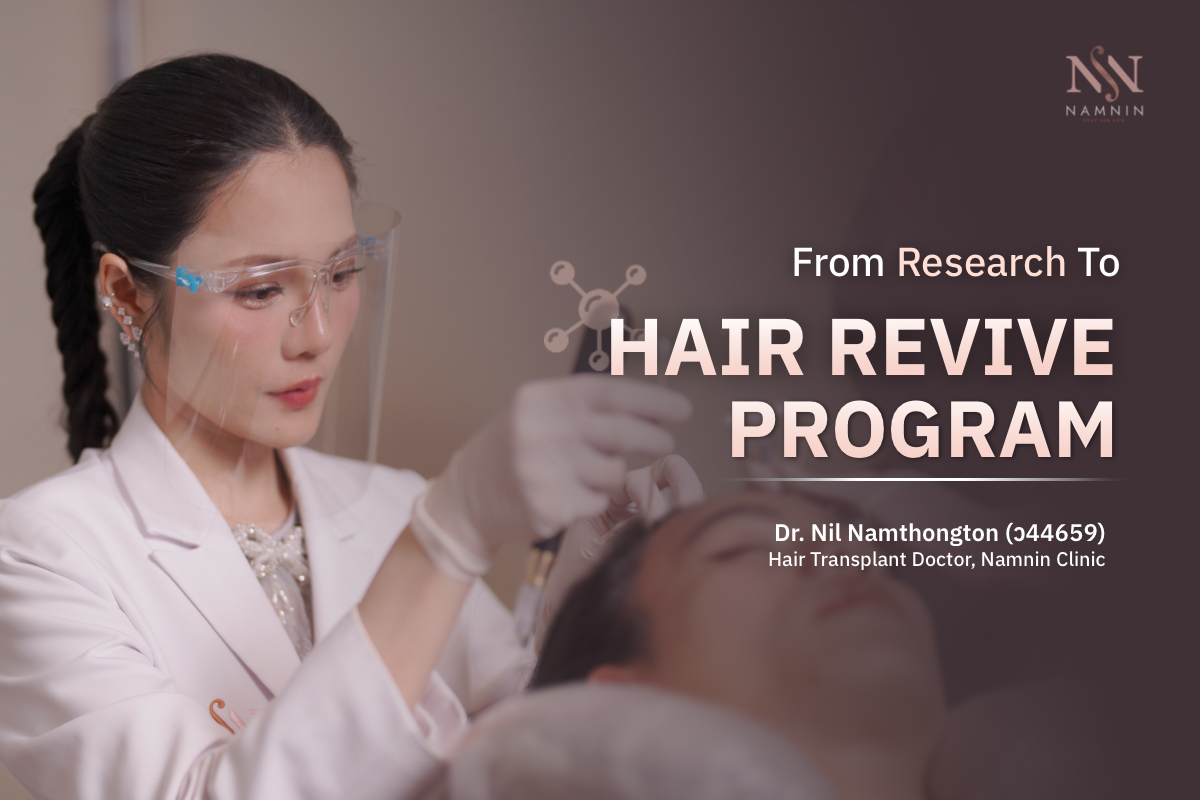
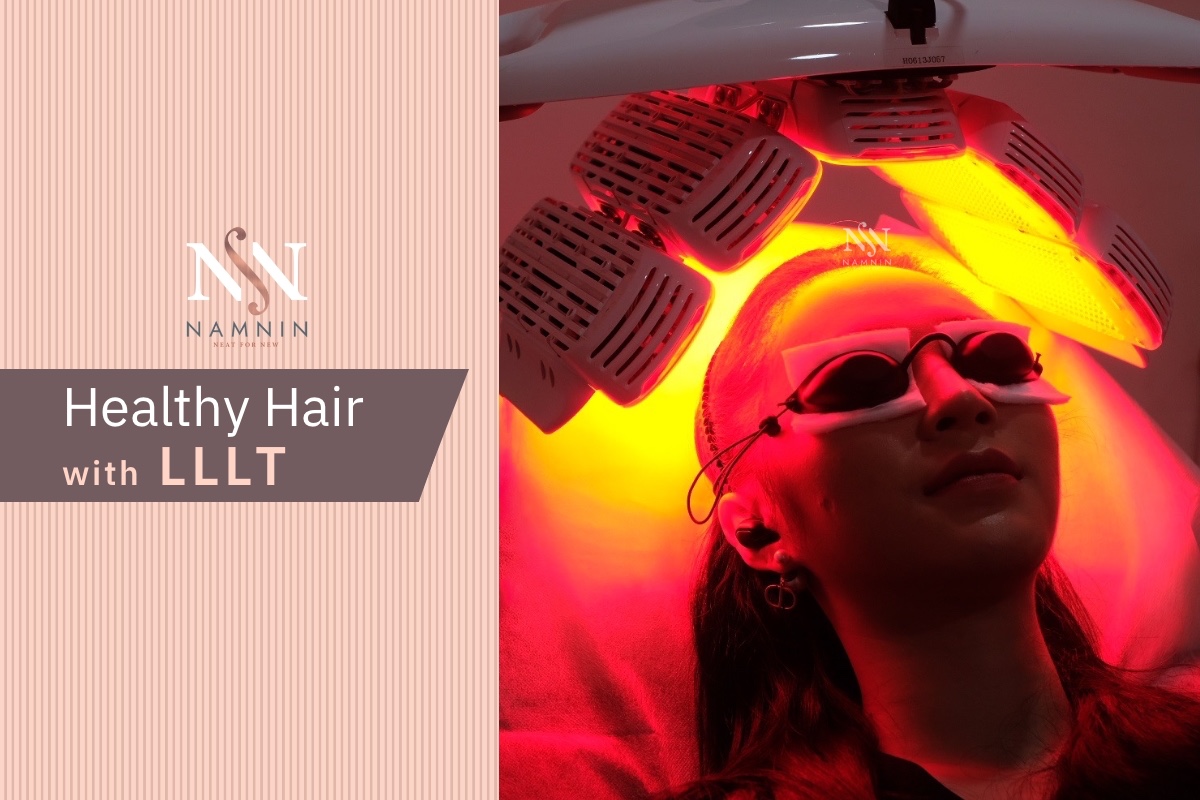
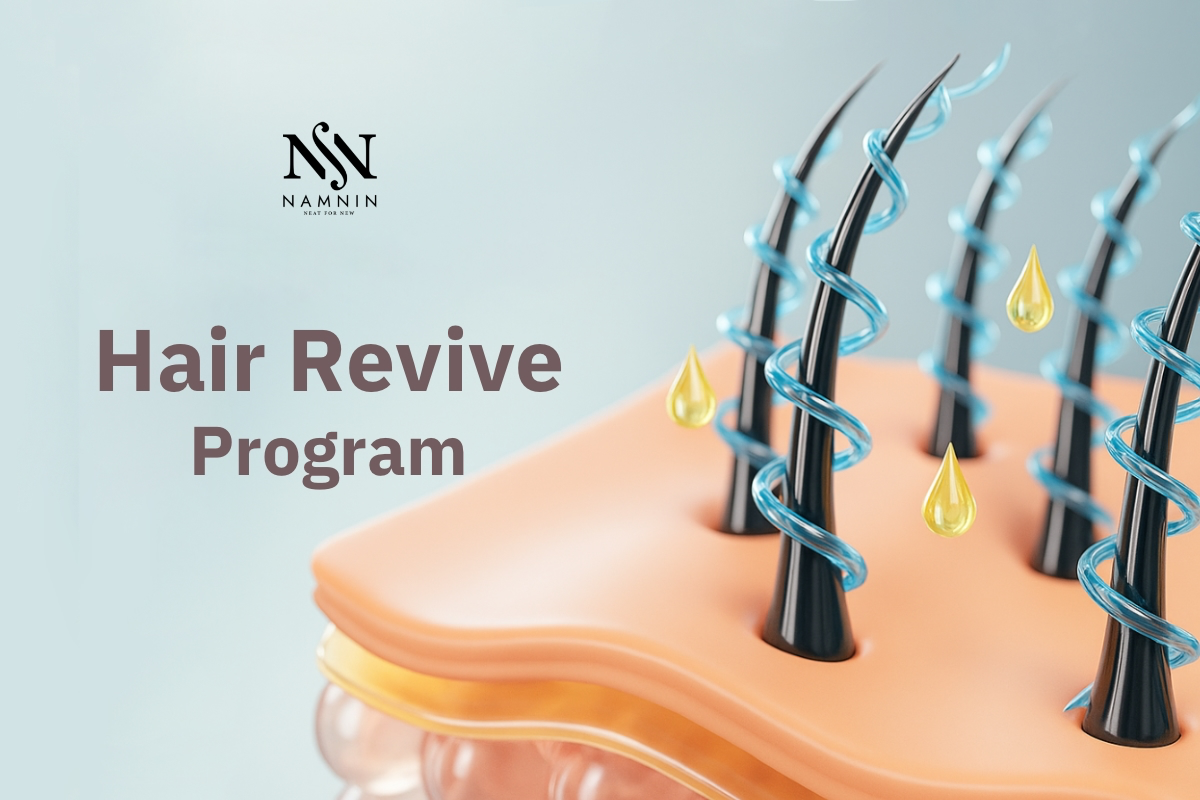
- Clinical treatments such as LLL therapy, PHB program, or Hair Revive program
All of this guidance will be clearly explained by Namnin’s doctors, who will also closely monitor progress throughout the full year after the transplant. They are always available to answer questions and provide consultation whenever needed, giving patients confidence in achieving dense, strong, and healthy hair, and the freedom to live life with renewed confidence once again.